The place
A mountain, and the people on it
The Rif stayed off the main routes, which is why it's still itself. Who lives here, what they grow, and why you go slowly.
Not just a journey.
An immersion.
Far from the conventional tourist routes, among the mountains, forests and villages of the Rif, we've built something for travellers looking for the truest face of Morocco.
Nature, culture, tradition and people run through an itinerary that crosses untouched landscapes and old communities: days in which time slows down, small gestures regain their weight, and contact with the land becomes the point.
We're not offering a Morocco to visit. We're offering one to live in — at the slow pace of its mountains, at the table of its families, under its sky.
The authentic heart of Morocco
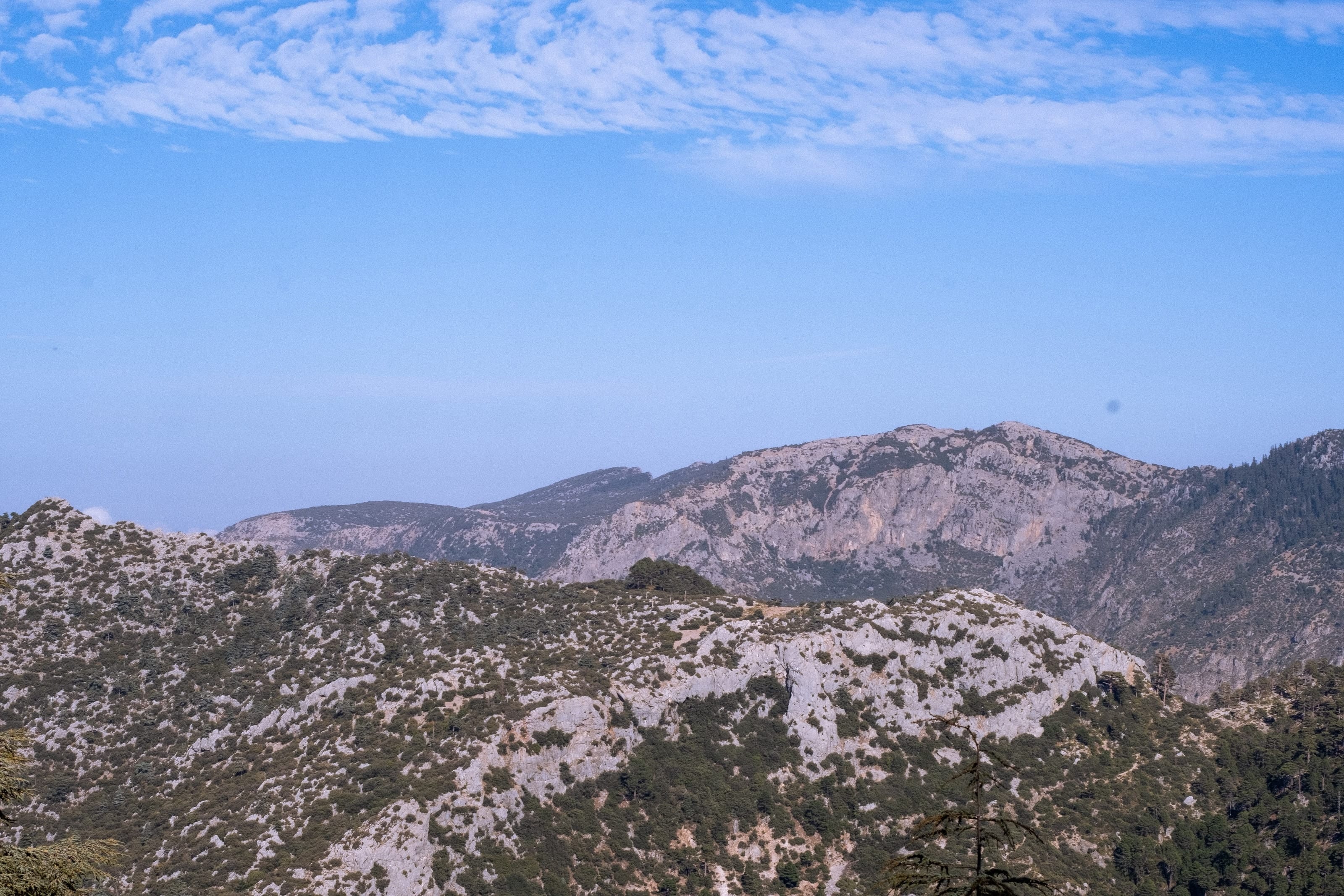
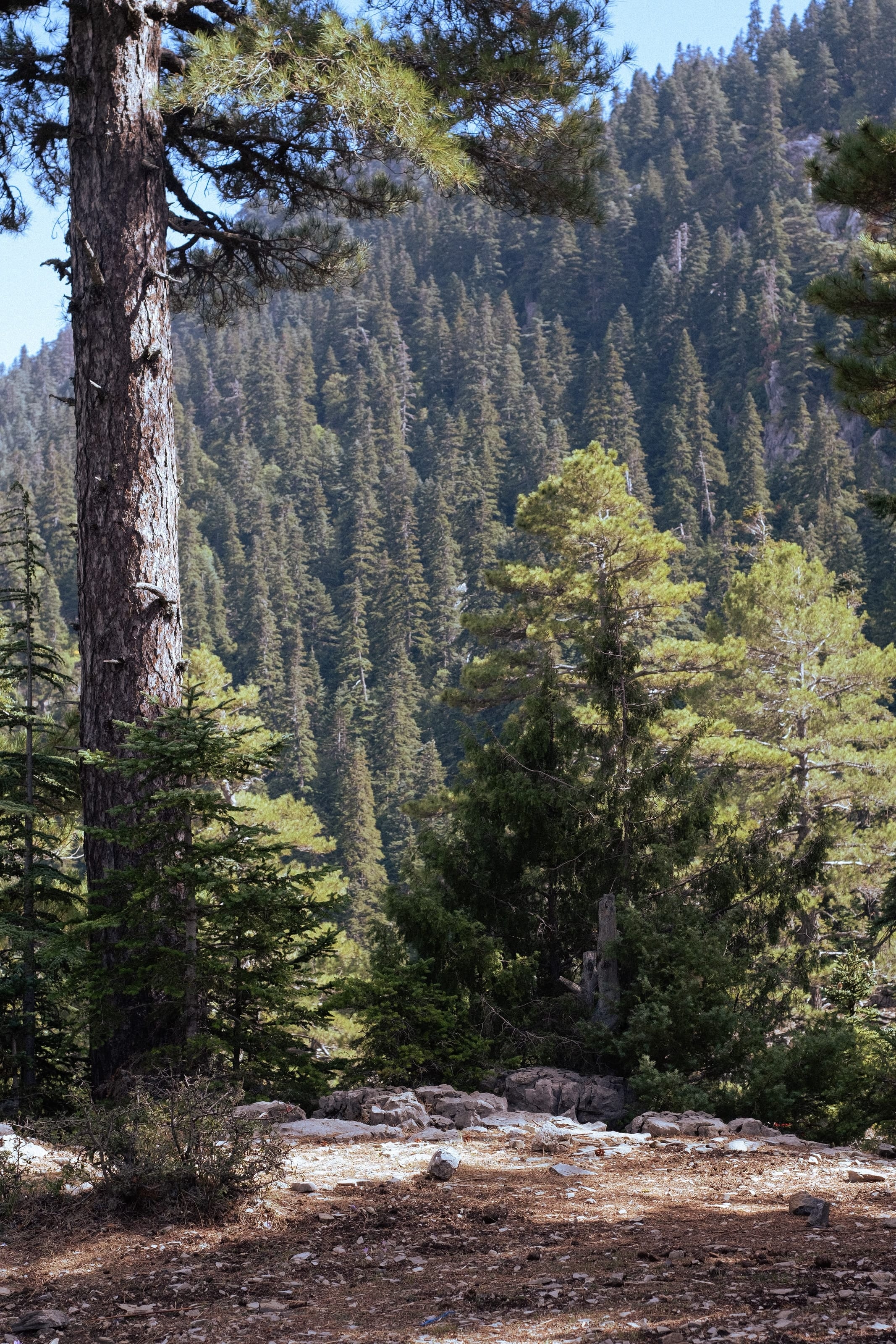
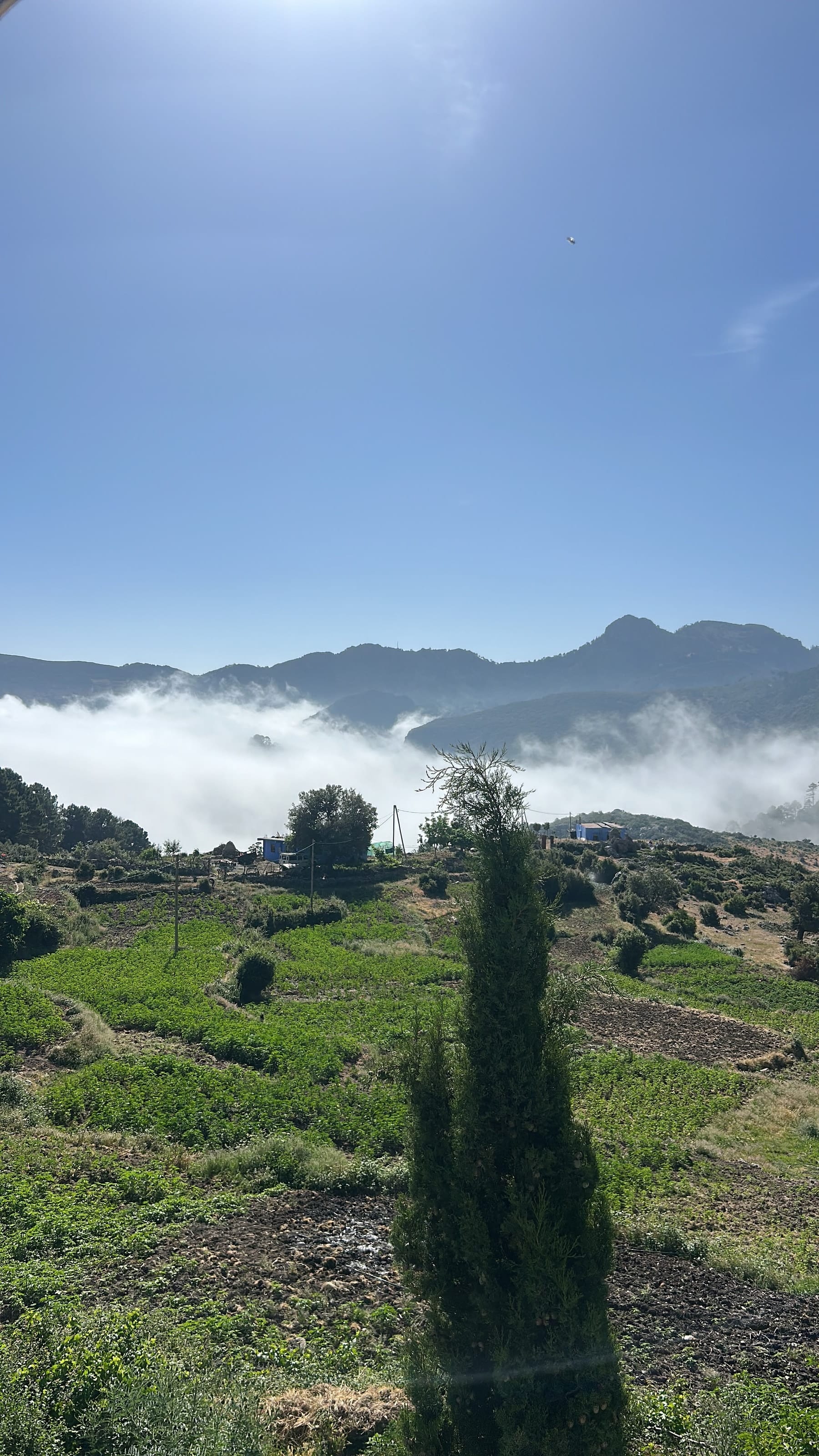
In the north of the kingdom, between the Mediterranean and the first inland plains, lies the Rif: a range at once harsh and generous, left aside by the great tourist routes and, for exactly that reason, the keeper of a rare identity.
Here villages cling to the ridgelines, fields are still terraced by hand, and hospitality isn't a courtesy: it's a tradition handed down from house to house.
- 01
Mountains
Summits, ridgelines and the forests of Talassemtane National Park.
- 02
Rural villages
Farming communities, slow rhythms, a life stripped to what matters.
- 03
Culture and tradition
A heritage passed from one generation to the next.
- 04
Hospitality
Welcome as an old duty, and as a genuine pleasure.
Kif, the Rif, and a landscape you can't read anywhere else
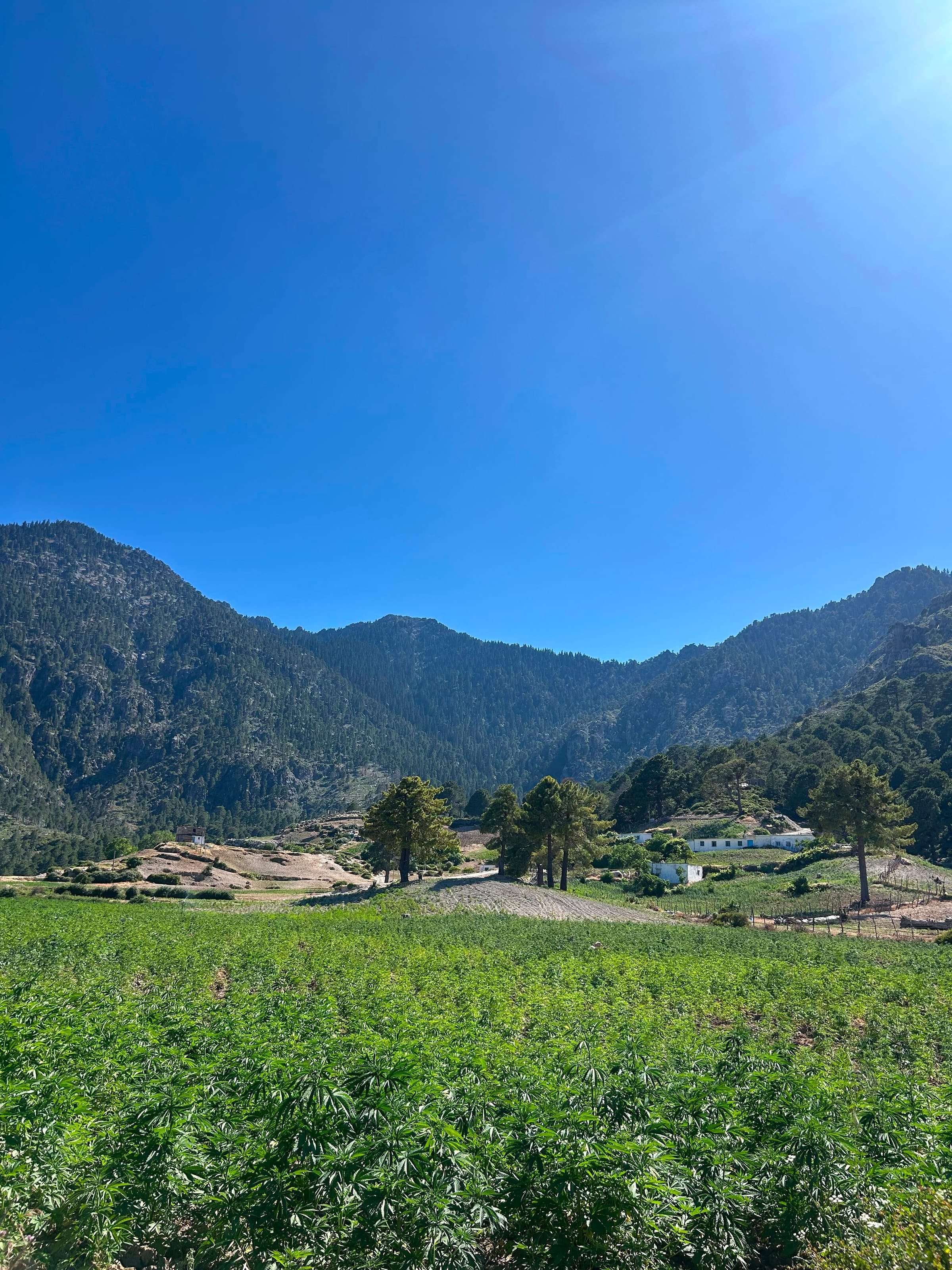
You don't cross the Rif without meeting it. Kif — the hemp grown on these slopes for centuries — cut the terraces, decided where the paths would run, and held up the economy of entire valleys long before anyone here spoke of tourism.
It's a mountain crop, suited to poor soil and gradients that discourage almost everything else. It's sown, tended and harvested entirely by hand, on a calendar families keep and pass on the way you pass on a name. The processing you can watch today is the same that nineteenth-century travellers described.
To tell that story is to tell the Rif as it is: a region left at the margins, which made the land its identity, and which is now renegotiating its relationship with a plant that became legal after a century underground.
- The 2021 law
- Morocco legalised cultivation for medical, cosmetic and industrial use, creating a national agency to license and regulate it.
- The three authorised provinces
- Al Hoceima, Chefchaouen and Taounate — all three in the Rif, where the crop existed long before any law named it.
- A trade, not a show
- The work is watched where it happens, with the consent of the people doing it. There is no version staged for visitors.
- What remains illegal
- Recreational use. The legislation covers the agricultural and industrial supply chain, not consumption.
This journey is an experience of nature and rural culture. It neither includes nor promotes any consumption: the above describes the agricultural and historical context of the land you travel through.
A land of traditions
You don't visit the Rif: you meet it. In the faces of the people who live here, in the memory of its families, in the dignity of a mountain people who made the land their identity and community their most solid institution.
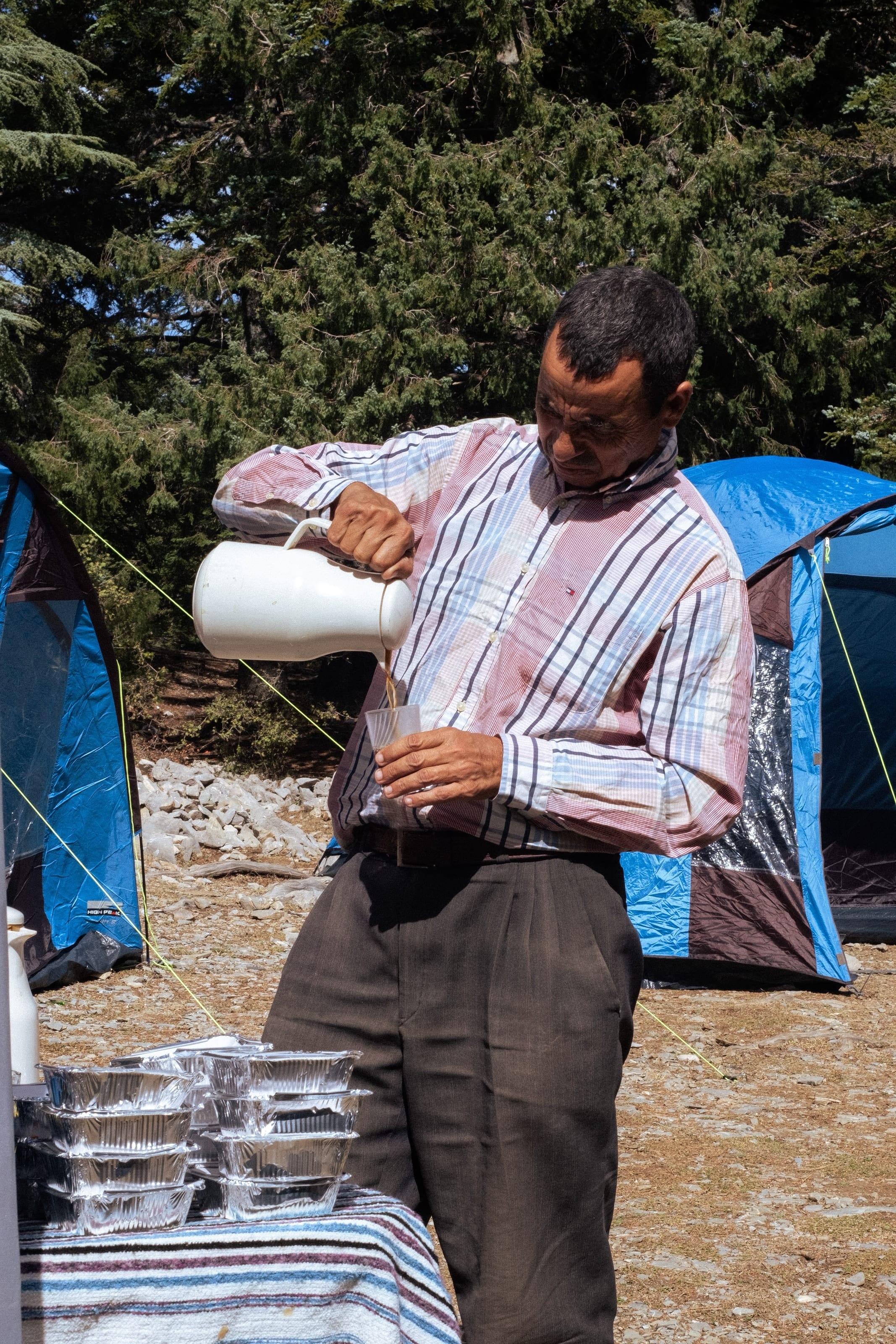
The history of this region is one of independence and pride, of farming knowledge and ties that maps don't record. To sit at a table in the Rif and accept a glass of tea is to become — for a moment — part of all of it.
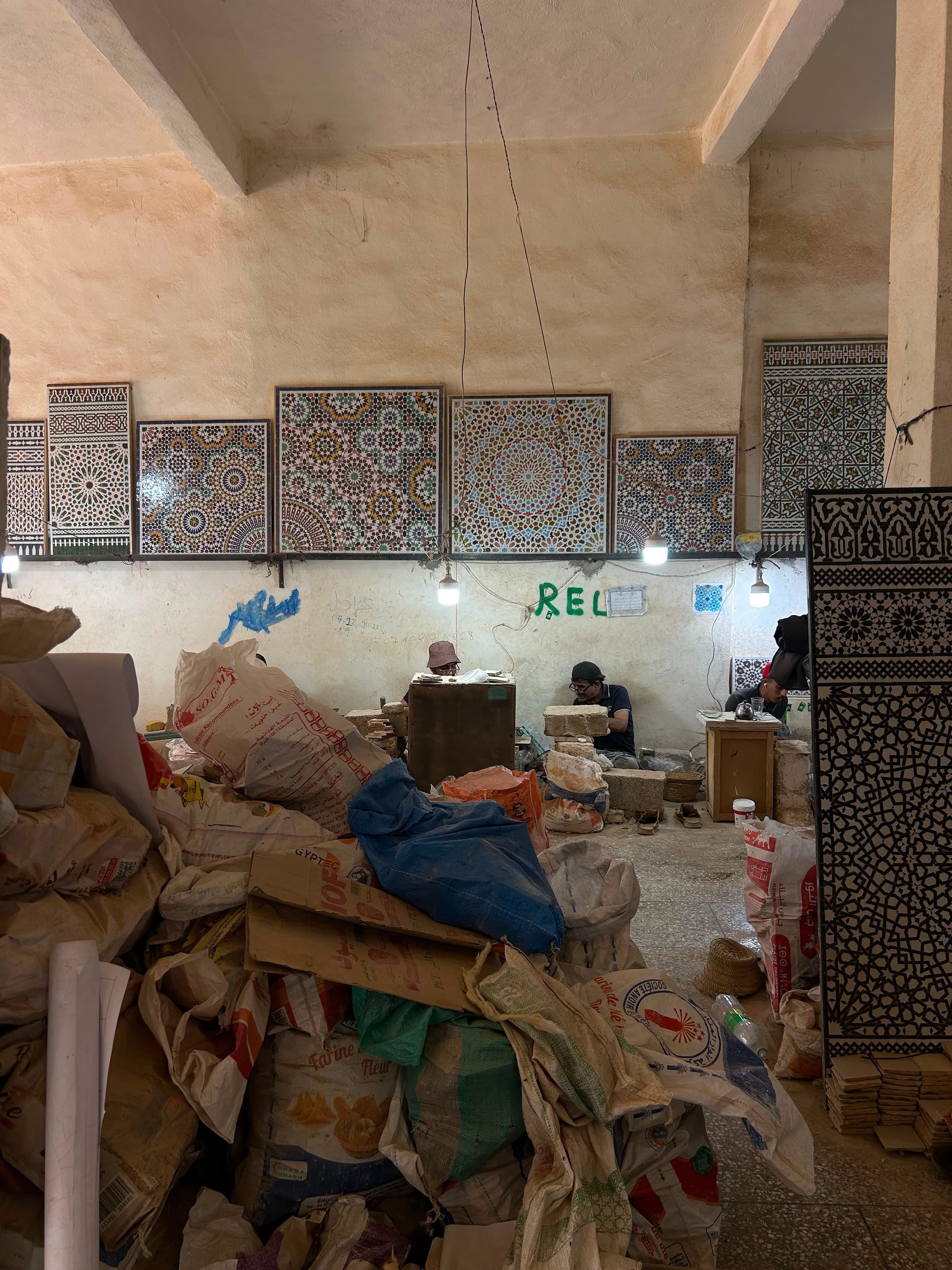
Knowledge handed down through time
- Terracing
- Handwork
- Seasons
- Memory
In these valleys farming isn't an activity: it's a mother tongue. Terraces cut from the slope, dry-stone walls, water led down channel by channel — all of it tells of generations of patient work, done by hand and from memory.
Every family keeps an unwritten calendar — sowing, tending, harvest — and passes it on the way you pass on a name. The crops that made the Rif known still follow entirely natural, entirely manual methods, identical to those of centuries ago.
Watching them up close means understanding something essential: here the land isn't a backdrop, it's a pact.
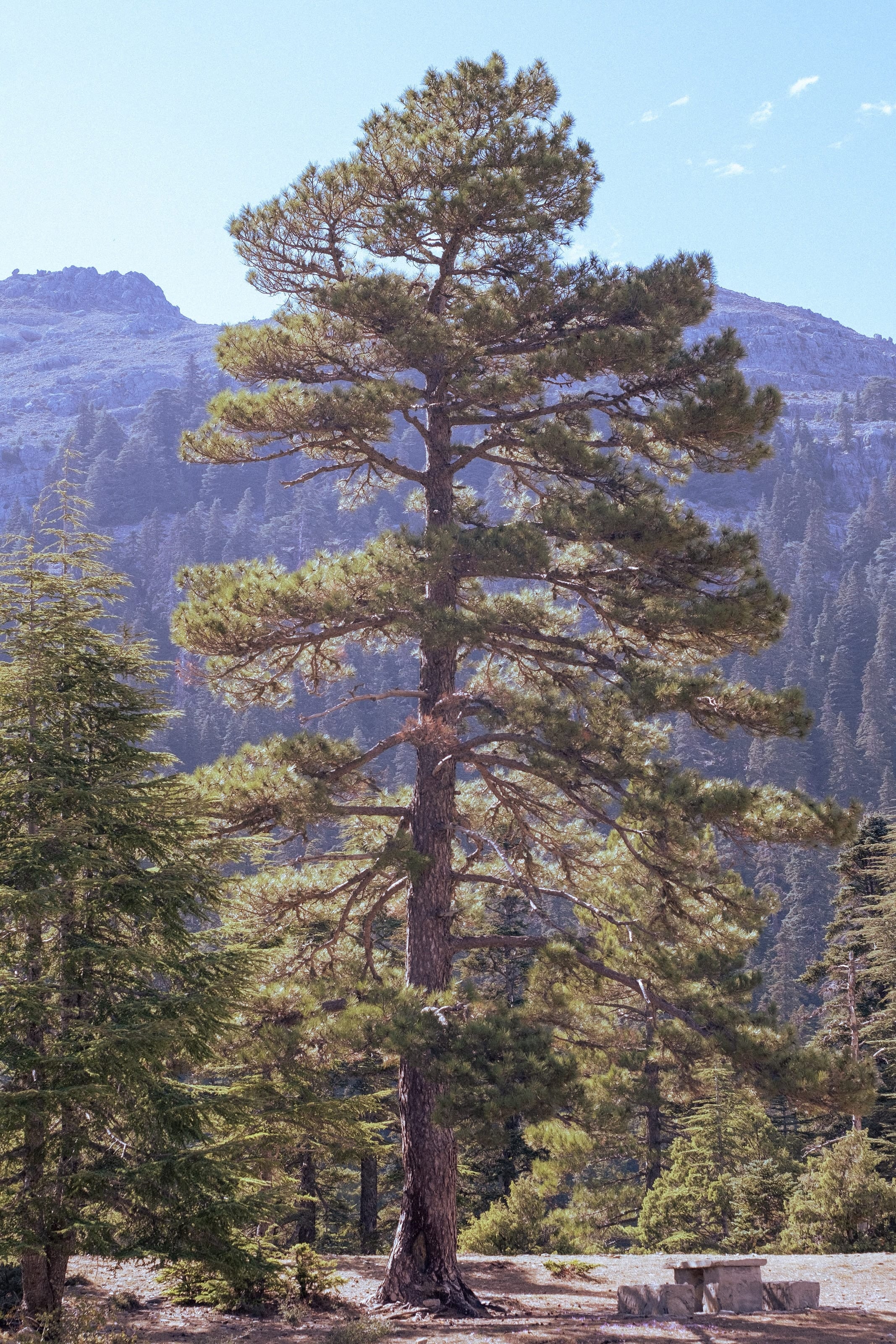
Slow, respectful travel
We don't take people to a place.
We create a meeting between cultures.
Small groups, guides from the area, local houses and local kitchens: every choice in this journey is made to leave value with the people who host us, and to give the traveller something real rather than a performance.
We walk slowly, we ask permission, we learn names. It's a different way of travelling — and it's the only one we know.
Who we are
How the project started
Yallah Expeditions grew out of a personal tie to the Rif: journeys repeated over years, friendships built among these mountains, and a conviction that formed along the way — that the truest Morocco isn't in the famous places, but in the houses, the fields and the silences of its interior.
We built this itinerary together with the people who live here — families, growers, guides — not to show a place off, but to introduce it.
«Yallah», in Arabic, means "let's go". It's an invitation before it's a name.
- Eight days
- Small groups
- Real places
Small groups
There are few places, on purpose
We walk in small numbers because it's the only way to be guests rather than a passing crowd. Write before the good dates go.